
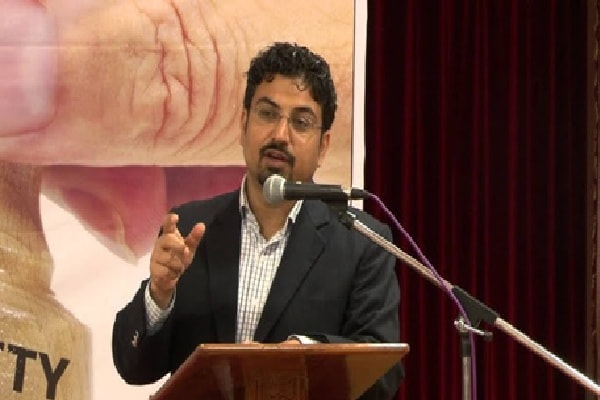
Some professionals build careers that stay inside one industry. Azad Oommen chose a different path. His work moves across public policy, philanthropy, research, and grassroots development. That mix gives him a wider view of how real change happens.
If you search for Azad Oommen, you will find his name connected with major social initiatives, policy discussions, and nonprofit leadership. But a list of roles does not explain why his work matters. To understand his influence, you need to look at how he approaches problems and how he connects ideas to action.
This article builds a complete picture. It covers his background, career journey, leadership style, and the deeper reasons people follow his work.
Early Background and Education
Azad Oommen’s path did not begin in a boardroom. Like many people in development work, his interest grew from observing real-world challenges. His early years shaped his focus on equity, access, and long-term change.
He pursued higher education with a clear focus on public policy and development. His academic training helped him understand systems, not just symptoms. Instead of looking at isolated problems, he studied how institutions, governance, and economics affect people’s lives.
This foundation still shows in his work. He does not treat issues like poverty, hunger, or education gaps as standalone topics. He looks at how they connect.
Career Path and Professional Growth
Azad Oommen’s career reflects steady movement toward larger impact. He did not jump straight into high-level leadership roles. He built experience across different sectors first.
He worked in consulting, research, and development spaces. These roles helped him understand both the private sector and nonprofit systems. That dual exposure is rare, and it gives him an advantage when designing scalable solutions.
His work later connected with organizations that focus on social impact. He became involved in projects that aimed to improve systems rather than offer short-term fixes. That shift from execution to strategy marked a turning point in his career.
Role in the Social Impact Sector
Azad Oommen is best known for his work in the development and social impact ecosystem. He focuses on solving problems that affect large populations, especially in areas like education, poverty, and public systems.
His work often connects with organizations that support long-term change rather than quick wins. For example, he has contributed to discussions and initiatives featured on platforms like India Development Review, where development professionals share insights on policy and practice.
Through such contributions, he helps shape how people think about social change. His writing and ideas often focus on what works in the real world, not just theory.
Leadership Style and Approach
Azad Oommen’s leadership style stands out because it is grounded and practical. He avoids overly complex language and focuses on clarity. That makes his ideas easier to apply.
He believes in systems thinking. This means he looks at how different parts of a problem interact. For example, improving education is not just about schools. It involves teachers, policies, funding, and community support.
He also values collaboration. Many of his projects involve partnerships between organizations, governments, and communities. He understands that no single group can solve large problems alone.
Another key aspect of his leadership is patience. Social change takes time. He focuses on building solutions that last, even if progress is slow.
Work in Policy and Governance
Public policy plays a major role in Azad Oommen’s work. He understands that policy decisions can shape millions of lives. That is why he engages with policy discussions and governance systems.
He often works at the intersection of research and implementation. This means he does not just study policies. He looks at how they perform in real situations.
His insights help bridge the gap between policymakers and practitioners. He brings real-world feedback into policy conversations, making them more grounded and useful.
Contributions to Hunger and Poverty Initiatives
Azad Oommen has also been involved in initiatives that address hunger and poverty. These are complex issues that require both immediate support and long-term planning.
He has worked with organizations connected to global and national efforts to reduce hunger. One example is his association with the Congressional Hunger Center, which works on leadership development and policy solutions.
Through such roles, he contributes to strategies that go beyond food distribution. He supports approaches that improve livelihoods, strengthen systems, and create sustainable access to resources.
Thought Leadership and Writing
One of Azad Oommen’s strongest contributions is his ability to explain complex issues clearly. His writing often focuses on real challenges faced by nonprofits and development professionals.
He discusses topics like funding gaps, organizational capacity, and policy barriers. His insights are practical and based on experience, not just theory.
His work encourages organizations to think more strategically. Instead of reacting to problems, he pushes for planning and system-level thinking.
This thought leadership has made him a respected voice in the development sector.
Influence on Nonprofit Strategy
Azad Oommen’s ideas have influenced how nonprofits approach their work. He emphasizes the importance of clarity, measurement, and long-term thinking.
He often highlights the need for better data. Without data, organizations cannot measure impact or improve their strategies. He encourages nonprofits to invest in systems that track progress and outcomes.
He also speaks about the importance of leadership within organizations. Strong leadership can make the difference between a successful program and one that fails to scale.
His work helps nonprofits move from intention to impact.
Public Interest and Recognition
Azad Oommen may not be a mainstream public figure, but he has strong recognition within his field. Professionals in development, policy, and philanthropy often refer to his work.
His influence comes from credibility. He combines research, field experience, and clear communication. That combination builds trust.
People follow his work because it offers real solutions, not abstract ideas. His insights are useful for both new professionals and experienced leaders.
Challenges in the Development Sector
Azad Oommen often speaks about the challenges facing the development sector. These include funding constraints, policy gaps, and limited capacity within organizations.
He points out that many organizations struggle to scale their work. They may have strong ideas but lack the resources or systems to expand.
He also highlights the gap between policy and implementation. Policies may look good on paper but fail in practice due to weak systems.
By addressing these challenges, he helps the sector improve.
A Systems-Based View of Change
One of the most important aspects of Azad Oommen’s work is his focus on systems. He believes that lasting change comes from fixing systems, not just addressing symptoms.
For example, improving education requires changes in teacher training, curriculum, funding, and governance. Focusing on one area alone will not create lasting results.
This systems-based view shapes all his work. It influences how he designs strategies and evaluates impact.
Lessons from His Career
Azad Oommen’s journey offers several lessons for anyone interested in social impact work.
First, understanding systems is crucial. Without that, solutions remain temporary.
Second, collaboration matters. Working with others increases the chances of success.
Third, patience is essential. Real change takes time and consistent effort.
Finally, clarity in thinking and communication can make complex ideas more effective.
These lessons apply across industries, not just development.
Also Read : Darlene Mowry Biography: Family, Career, and Her Role Behind the Mowry Success
Why His Work Matters Today
The challenges Azad Oommen focuses on are not going away. Issues like inequality, access to education, and hunger continue to affect millions.
His approach offers a way forward. Instead of quick fixes, he promotes long-term strategies that build stronger systems.
This makes his work highly relevant. Governments, nonprofits, and private organizations can all learn from his methods.
His focus on practical solutions makes his insights useful for real-world application.
The Bigger Picture
Azad Oommen’s work fits into a larger movement toward more effective social impact. This movement focuses on evidence, systems, and collaboration.
He is part of a group of professionals who are changing how development work is done. They are moving away from short-term projects and toward sustainable change.
His contributions help shape this shift. They provide a roadmap for others to follow.
Final Thoughts
Azad Oommen’s career shows what happens when clear thinking meets real-world action. He does not rely on buzzwords or trends. He focuses on what works.
His work spans policy, research, and implementation. That range allows him to see the full picture and design better solutions.
People who study his approach often gain a deeper understanding of how change happens. His ideas are not just useful for professionals. They can help anyone think more clearly about complex problems.
His influence continues to grow as more organizations adopt system-based approaches. That makes his work worth following closely.