
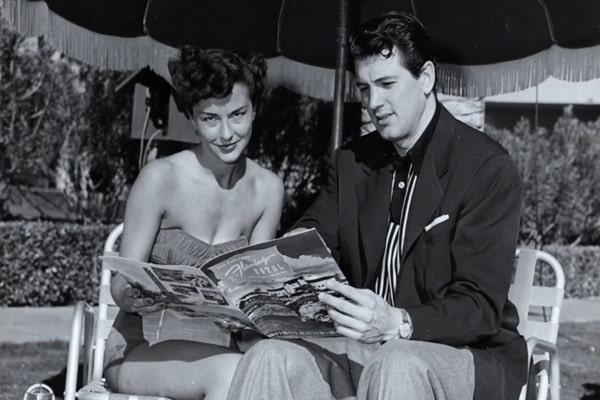
The story of Susan Cabot does not follow the clean, polished path many expect from Hollywood stars. Her life moved between ambition, success, isolation, and a tragic ending that still draws curiosity decades later. People search for her not just because of her films, but because her personal story feels intense, human, and unresolved.
Susan Cabot’s name often appears in conversations about classic Hollywood actresses who never quite reached the top tier, yet left a lasting impression. Her career tells one story. Her private life tells another. Together, they form a complete picture that is both fascinating and deeply complex.
Early Life and Childhood Struggles
Susan Cabot was born Harriet Pearl Shapiro in Boston, Massachusetts. Her childhood did not offer stability. She spent time in foster care and faced a fragmented upbringing that shaped her independence early on.
This early hardship influenced her personality. She developed resilience and a strong desire to build something for herself. Unlike many actors with industry connections, she entered Hollywood without support or privilege.
Before acting, she explored singing and performance. Her interest in entertainment was clear, but her journey took time. She worked her way up step by step, learning through experience rather than formal guidance.
Entry Into Hollywood and First Roles
Susan Cabot entered Hollywood during a period when studios tightly controlled actors’ careers. She signed with Universal Pictures, which opened doors but also limited her choices.
Her early roles were small but important. They helped her gain confidence and visibility. She proved she could handle different types of characters and deliver strong performances even with limited screen time.
Casting directors began to notice her presence. She had a sharp, expressive style that worked well in dramatic scenes. These early years laid the foundation for her future work.
Building a Career in Western and Adventure Films
Susan Cabot found steady work in Westerns and adventure films. These genres were popular in the 1950s and gave many actors a chance to grow their careers.
She brought intensity to her roles. Her characters often felt strong and emotionally driven. Even in supporting roles, she managed to stand out.
Westerns required a grounded and believable approach. Cabot handled this well, adding depth to characters that could have easily felt flat. Her work in these films helped her build a solid reputation in the industry.
Breakthrough Role in The Wasp Woman
Susan Cabot’s most memorable role came in The Wasp Woman, directed by Roger Corman. This film became a defining moment in her career.
She played a woman obsessed with youth and beauty who undergoes a dangerous transformation. The role required emotional depth and physical expression. Cabot delivered both with conviction.
Although the film started as a low-budget project, it later gained cult status. Today, it remains one of the main reasons audiences continue to search for her work.
Working Style and Collaboration With Roger Corman
Working with Roger Corman gave Susan Cabot creative freedom. His films were made quickly and on tight budgets, but they allowed actors to experiment.
Cabot used this space to take risks. She did not stick to safe or predictable roles. Instead, she explored characters with emotional complexity.
This collaboration highlights her willingness to push boundaries. It also shows her ability to adapt to different production styles and expectations.
Transition to Television
As television became more popular, Susan Cabot moved into TV roles. This shift was necessary for many actors during that time.
Television required faster performances and shorter production cycles. Cabot adapted well and appeared in several series, maintaining her presence in the industry.
While TV did not bring her the same level of recognition as films, it provided stability. It also showed her flexibility as an actress willing to evolve with the industry.
Personal Life and Growing Isolation
Susan Cabot’s personal life remained mostly private. Over time, this privacy led to increased curiosity about her.
She lived a quieter life away from the spotlight in her later years. Reports suggest she faced health challenges and struggled with isolation.
Her relationship with her son, Timothy Scott Roman, became a central part of her later life. This aspect of her story continues to draw attention and discussion.
The Tragic Death of Susan Cabot
In 1986, Susan Cabot’s life ended in tragedy. She was killed in her home by her son. The case shocked the public and received widespread media coverage.
Her son claimed self-defense, stating that she was experiencing mental health issues at the time. The situation raised serious questions about mental health, caregiving, and personal safety.
This event changed how people viewed her life. It shifted focus from her career to her personal struggles, often overshadowing her achievements.
Also Read : Edith Bowles Biography and the Truth Behind the Online Mystery
Legacy in Hollywood and Cult Cinema
Susan Cabot’s legacy remains complex. She is remembered as a talented actress who contributed to multiple genres.
Her work in The Wasp Woman continues to attract new audiences. Fans of cult cinema often revisit her performance and appreciate its depth.
She represents a group of actors who made meaningful contributions without becoming major stars. Her career reflects both opportunity and limitation within Hollywood.
Why Susan Cabot Still Matters Today
Interest in Susan Cabot has grown over time. Online platforms and streaming services have introduced her work to new viewers.
Her story connects with different audiences. Film enthusiasts appreciate her performances, while others are drawn to the human story behind her life.
This lasting interest keeps her legacy alive. It also ensures that her work continues to be explored and discussed.
Key Lessons From Her Life
Susan Cabot’s life offers insights that go beyond film. Her journey shows how determination can lead to success, even without strong support systems.
Her story also highlights the importance of mental health awareness. It reminds us that personal struggles can exist behind public success.
These lessons add depth to her legacy. They make her story meaningful beyond her roles on screen.
Final Reflection on Susan Cabot’s Life and Career
Susan Cabot’s life cannot be reduced to a single narrative. It includes ambition, achievement, struggle, and tragedy.
Her performances continue to hold value for those exploring classic cinema. Her story continues to resonate with those interested in real, human experiences.
Understanding her life requires looking beyond headlines. It means recognizing both her talent and the challenges she faced.