
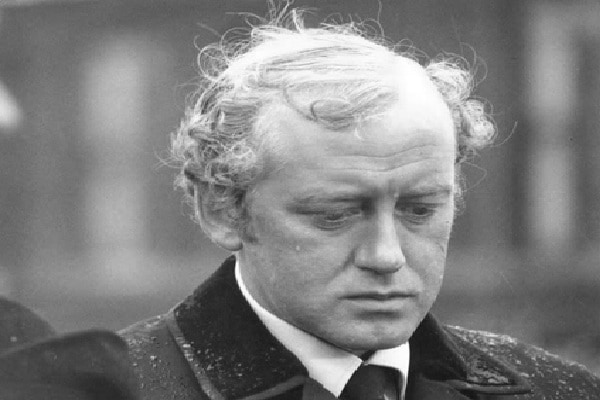
Nicol Williamson was the kind of actor people did not forget after watching him once. His voice, his intensity, and his presence made him stand out in every role he took. When people search for “Nicol Williamson biography,” they often expect a simple career timeline. What they find instead is a complex, powerful story of talent, ambition, and unpredictability.
He was not just another British actor. He was a performer who brought raw energy to the stage and screen, whether he was playing Shakespeare or stepping into fantasy films. His career moved between brilliance and controversy, which only added to his lasting impact.
Early Life and Scottish Roots
Nicol Williamson was born in Scotland, which played a strong role in shaping his identity. His early life was not built around privilege or easy access to the arts.
He developed an interest in acting at a young age, driven more by instinct than formal planning. That natural pull toward performance led him to pursue training and eventually enter the world of theater.
His Scottish background influenced his voice, his style, and his stage presence. It gave him a distinct identity that stayed with him throughout his career.
Training and Entry into Acting
Williamson trained at the Royal Academy of Dramatic Art, one of the most respected acting institutions in the United Kingdom.
This training gave him technical skills, but his real strength came from his natural intensity. He did not act in a controlled or predictable way. Instead, he brought emotion and unpredictability into every role.
His early stage performances quickly caught attention. Critics noticed that he was not trying to fit into traditional molds. He was creating his own style.
Breakthrough in Theatre
The stage is where Nicol Williamson truly built his reputation. His performances in Shakespearean plays were especially powerful.
His portrayal of Hamlet became one of his defining roles. He brought a modern, emotional depth to the character that felt fresh and intense.
He also gained attention for his role in Inadmissible Evidence, where he delivered a performance that critics described as raw and deeply human.
These performances established him as one of the most exciting actors of his generation.
Transition to Film and Television
After gaining recognition in theatre, Nicol Williamson moved into film and television. This transition allowed him to reach a wider audience.
He appeared in several films that showcased his range. One of his most recognized roles came in Excalibur, where he played Merlin.
His portrayal of Merlin was unique. Instead of a calm and wise figure, he brought energy, unpredictability, and sharp wit to the character. This interpretation made the role memorable.
He also played Sherlock Holmes in film, adding his own style to the iconic character.
Acting Style and Unique Presence
Nicol Williamson’s acting style was not easy to define. He combined classical training with raw emotion.
He had a powerful voice that could shift from calm to intense within seconds. This ability made his performances unpredictable and engaging.
Directors often saw him as both a brilliant talent and a challenging personality. His commitment to authenticity sometimes created tension on set.
However, this same intensity is what made his performances stand out. He did not aim to be safe or conventional.
Career Highlights and Memorable Roles
Throughout his career, Nicol Williamson took on a wide range of roles. He moved between theatre, film, and television with ease.
His work in Excalibur remains one of his most recognized performances. His version of Merlin is still discussed for its originality.
His stage work, especially as Hamlet, is often considered among the most powerful interpretations of the role.
He also appeared in historical dramas, psychological films, and adaptations of classic literature. Each role added another layer to his career.
Controversies and Challenges
Nicol Williamson’s career was not without challenges. His strong personality sometimes led to conflicts with directors and co-actors.
These incidents affected his reputation in the industry. Some opportunities were limited because of his unpredictable nature.
However, these challenges also became part of his story. They showed that he was not willing to compromise his approach to acting.
His career reflects both success and struggle, which makes it more real and relatable.
Also Read : Mark Gero Biography: Career, Family, and Life with Sigourney Weaver
Personal Life and Relationships
Williamson’s personal life remained relatively private compared to his professional work. He was known to be intense not only in acting but also in his personal interactions.
He had relationships and a family, but he did not frequently share details with the public. This added to the mystery around him.
His focus remained largely on his craft. Acting was not just a career for him. It was a central part of his identity.
Later Years and Legacy
In his later years, Nicol Williamson stepped back from the spotlight. His appearances became less frequent, and he eventually retired from acting.
Despite this, his influence did not fade. His performances continued to be studied and appreciated by actors and critics.
He passed away in 2011, leaving behind a body of work that still holds relevance.
His legacy is built on authenticity, intensity, and a refusal to follow predictable paths.
Why Nicol Williamson Still Matters
Nicol Williamson’s work still matters because it represents a different kind of acting. He focused on truth rather than perfection.
His performances remind audiences that acting is not just about technique. It is about emotion, risk, and connection.
For aspiring actors, his career offers both inspiration and caution. It shows the power of talent but also the importance of balance.
Common Misconceptions About Nicol Williamson
Some people see Nicol Williamson only as a difficult actor. This view ignores his contributions to theatre and film.
Others remember him mainly for his role in Excalibur, but his stage work was equally important.
There is also a tendency to focus on controversies rather than achievements. A complete “Nicol Williamson biography” must include both.
Understanding his full story requires looking beyond headlines.
Influence on Theatre and Film
Williamson’s influence can be seen in modern acting styles that prioritize emotional depth.
His approach to characters like Hamlet helped shape how these roles are performed today.
He proved that classical roles can be interpreted in new ways without losing their essence.
This influence continues to affect actors and directors.
Final Thoughts on Nicol Williamson Biography
Nicol Williamson was not an easy figure to define. He was talented, intense, and sometimes controversial.
From his early days in Scotland to his performances on major stages and screens, he built a career that stood apart from others.
His work in theatre, especially as Hamlet, and his role in Excalibur remain key parts of his legacy.
For anyone exploring a complete “Nicol Williamson biography,” the real value lies in understanding both his brilliance and his complexity.
His story is not just about acting. It is about commitment, individuality, and the cost of staying true to one’s craft.