
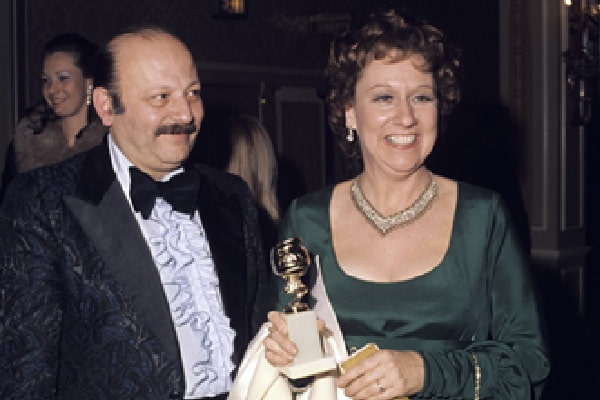
William Putch built a life around the stage, not for fame, but for craft. His name often comes up in conversations about American theater, especially among those who value community-driven performance and artistic dedication. While many recognize him through family connections, his own work in theater deserves equal attention.
This article brings together a complete, clear view of William Putch’s life, career, and legacy. It explores his journey from early beginnings to his lasting influence on American theater.
Early Life and Background
William Putch was born in the United States during a time when theater was evolving into a strong cultural force. His early life played a key role in shaping his passion for performance and storytelling.
Growing up, he developed an interest in the arts that went beyond casual appreciation. Theater became more than entertainment for him. It became a calling.
His background reflects a generation that saw theater as both art and community expression. This perspective would later define his entire career.
Education and Artistic Foundations
William Putch’s journey into theater was supported by formal education and hands-on experience. He trained in the performing arts, learning not only acting but also the deeper aspects of stage production.
This foundation helped him understand theater from multiple angles. He was not just an actor. He was a director, a teacher, and a creative force.
Education gave him the tools, but his passion gave him direction. Together, they shaped his long-term contribution to the theater world.
Building a Career in Theater
William Putch built his career steadily, focusing on meaningful work rather than chasing mainstream fame. His approach was rooted in consistency and dedication.
He became known for his involvement in theater production and direction. His work often focused on creating spaces where actors could grow and audiences could experience authentic performances.
Unlike film or television, theater demands direct connection with the audience. Putch understood this deeply and used it to shape his productions.
The Totem Pole Playhouse: A Defining Chapter
One of the most important parts of William Putch’s career was his association with the Totem Pole Playhouse. This theater became a central part of his professional life and legacy.
The Totem Pole Playhouse is known as one of the oldest summer stock theaters in the United States. Under Putch’s leadership, it became a space where actors could refine their craft and audiences could enjoy high-quality performances.
He played a key role in maintaining the theater’s reputation and ensuring its continued success. His work here reflects his commitment to preserving and promoting live theater.
Personal Life and Family Connections
William Putch’s personal life is often discussed alongside his professional achievements. He was married to Jean Stapleton, a well-known actress famous for her role in the television series All in the Family.
Their relationship brought together two individuals deeply connected to the performing arts. While Stapleton gained widespread recognition in television, Putch focused more on theater.
Their shared passion for acting and storytelling created a strong bond. Together, they contributed to different aspects of the entertainment world.
A Life Dedicated to Theater
William Putch’s dedication to theater was not limited to personal success. He invested time and energy into building opportunities for others.
He worked with actors, guided productions, and helped shape performances that resonated with audiences. His role often went beyond the spotlight, focusing on the overall experience rather than individual recognition.
This approach reflects a deeper understanding of theater as a collaborative art form. Every role matters, both on stage and behind the scenes.
Influence on Actors and Performers
Many actors who worked with William Putch benefited from his guidance and experience. He was known for his ability to bring out the best in performers.
His approach was practical and focused. He emphasized discipline, creativity, and authenticity. These qualities helped actors grow not just in skill, but in confidence.
Mentorship is a key part of theater, and Putch embraced this role fully. His influence continues through the work of those he guided.
The Importance of Regional Theater
William Putch’s career highlights the importance of regional theater in the United States. While Broadway often receives the most attention, regional theaters play a crucial role in keeping the art form alive.
The Totem Pole Playhouse is a strong example of this. It provided a platform for performances that might not have reached larger stages.
Putch’s work helped strengthen this part of the theater ecosystem. He showed that meaningful art can thrive outside major cities.
Challenges in the Theater Industry
Theater has always faced challenges, from financial pressures to changing audience preferences. William Putch navigated these challenges throughout his career.
Running and maintaining a theater requires more than artistic vision. It involves management, planning, and adaptability.
Putch’s ability to balance these aspects contributed to the longevity of his work. He understood that sustaining theater requires both creativity and practicality.
Public Interest and Online Searches
Interest in William Putch continues today, often driven by curiosity about his life and his connection to Jean Stapleton.
Common search questions include:
Who was William Putch
What was his role in theater
How is he connected to Jean Stapleton
What is the Totem Pole Playhouse
These questions reflect a mix of personal and professional interest. People want to understand both his work and his relationships.
Also Read : Lorrie Mahaffey Biography: Career, Mork and Mindy Role, and Life Today
Comparing His Career to Modern Theater Figures
William Putch’s career differs from many modern theater figures. Today, visibility often comes through media coverage and online presence.
Putch’s work was rooted in live performance and community engagement. His success was measured by the quality of productions and the impact on audiences.
This difference highlights how the definition of success has evolved over time. His career offers a more traditional view of artistic achievement.
His Lasting Legacy
William Putch’s legacy is closely tied to the theater community. His contributions continue to influence how regional theaters operate and how performances are developed.
The Totem Pole Playhouse remains a symbol of his dedication. It stands as a reminder of his efforts to support and sustain live theater.
His legacy is also reflected in the people he worked with. Actors, directors, and audiences all carry forward parts of his influence.
What We Can Learn from William Putch
William Putch’s life offers several important lessons. One of the most significant is the value of dedication to craft.
He focused on doing meaningful work rather than seeking widespread recognition. This approach allowed him to build a lasting impact.
Another lesson is the importance of supporting others. His mentorship helped shape the careers of many performers.
His story also shows that success can take many forms. It does not always involve fame or public attention.
A Broader Perspective on His Life
Looking at William Putch’s life from a broader perspective reveals a story about commitment, creativity, and community.
He represents a group of artists who work behind the scenes to keep cultural traditions alive. Their contributions may not always be widely recognized, but they are essential.
His life reminds us that art is not just about performance. It is about connection, collaboration, and shared experience.
Final Thoughts on William Putch
William Putch built a life centered on theater, guided by passion and purpose. His work at the Totem Pole Playhouse and his influence on actors highlight a career defined by dedication.
While his name may not be as widely known as some, his impact is clear within the theater community. He helped create spaces where art could thrive and where performers could grow.
His story continues to interest people because it feels genuine. It reflects the kind of work that often goes unnoticed but makes a lasting difference.